
Your first week abroad hits different than you expect. Nobody warns you that figuring out food would be the hardest part. But here we are.
Day 1: Just Surviving
I landed with two suitcases and zero plan for dinner.

The supermarket near my place looked normal enough. But nothing was where I expected. Labels I couldn’t read. Prices that made no sense to me yet. I grabbed instant noodles and a banana and called it a night.
Honestly? That was fine. Day one is about surviving, not thriving.
What I wish I knew: Pick up five basics when you land. Eggs, bread, butter, oats, and something you actually like. That’s enough to get through the first few days without panic buying every meal.
Day 2: The Repeat Trap
I had noodles again. Same ones.
Not because I wanted them. Just because I already knew how to make them and my brain was full from everything else going on.
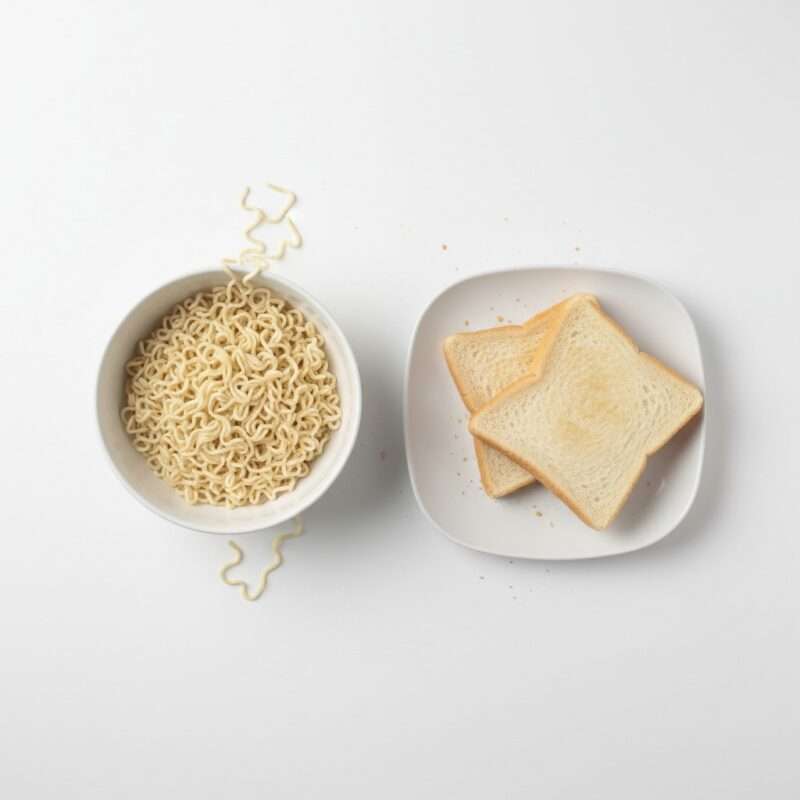
This is what nobody talks about. When you’re mentally exhausted from a new country, new transport, new everything, cooking feels impossible. So you default. Over and over.
What I wish I knew: Make one decision in advance. Just one meal planned the night before. That tiny bit of prep saves you from defaulting to whatever’s easiest and most expensive.
Day 3: The Grocery Store Panic
I tried to do a proper shop on day three.
Big mistake. I had no list, no budget, no idea what anything cost relative to back home. I spent too much, bought things that didn’t go together, and came home with nothing resembling an actual meal.
It was frustrating. Felt like everyone else just knew how to do this and I missed the memo.
What I wish I knew: Go in with a list of six things maximum. That’s it. Don’t browse. Don’t explore. Just get what’s on the list and leave. Browsing when you’re hungry and confused is how you spend double and eat worse.
Day 4: The Microwave Discovery
My room had a microwave. I’d been treating it like a thing for reheating leftovers.

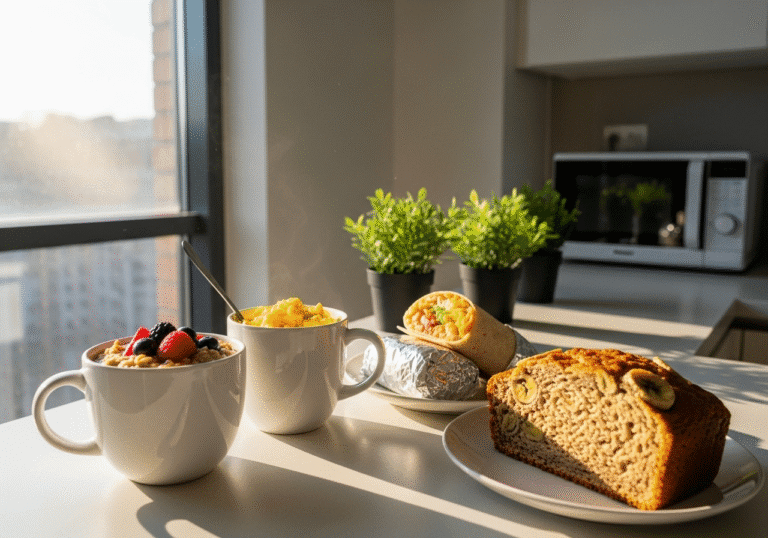
Then I scrambled eggs in a mug. Cracked two eggs, splash of milk, 90 seconds, stir halfway. They were genuinely good. Simple, warm, took less time than waiting for a delivery confirmation.
That was the turning point. The microwave isn’t a backup plan. It’s a real tool.
What I wish I knew: You can make proper food with just a microwave. Rice, eggs, oats, vegetables, pasta. Real meals. Not gourmet, but real. Don’t wait four days to figure that out like I did.
Day 5: Watching the Money Disappear
I checked what I’d spent on food so far.
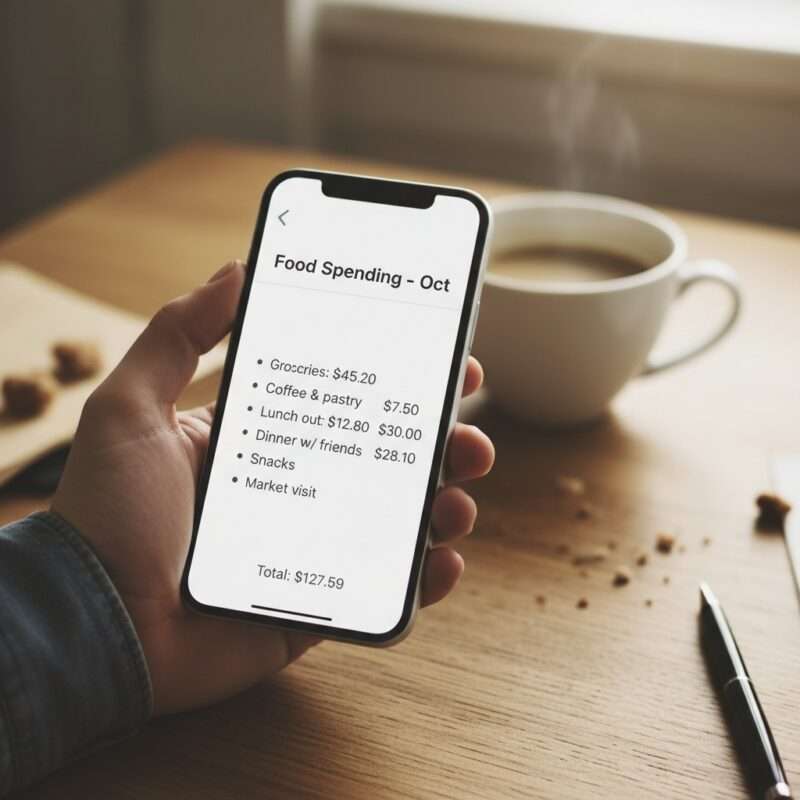
It was bad. Not catastrophic, but bad enough that I sat with it for a minute. Most of it was convenience food. Stuff that wasn’t even that good. Just easy.
The problem wasn’t that I was eating out. It was that I had no visibility on what things cost until the damage was done.
What I wish I knew: Track your food spending from day one. Even just a note on your phone. Seeing the number makes you think twice before grabbing that overpriced meal deal for the third time this week.
Day 6: The First Real Win
Rice. Fried egg. Soy sauce. Three ingredients.
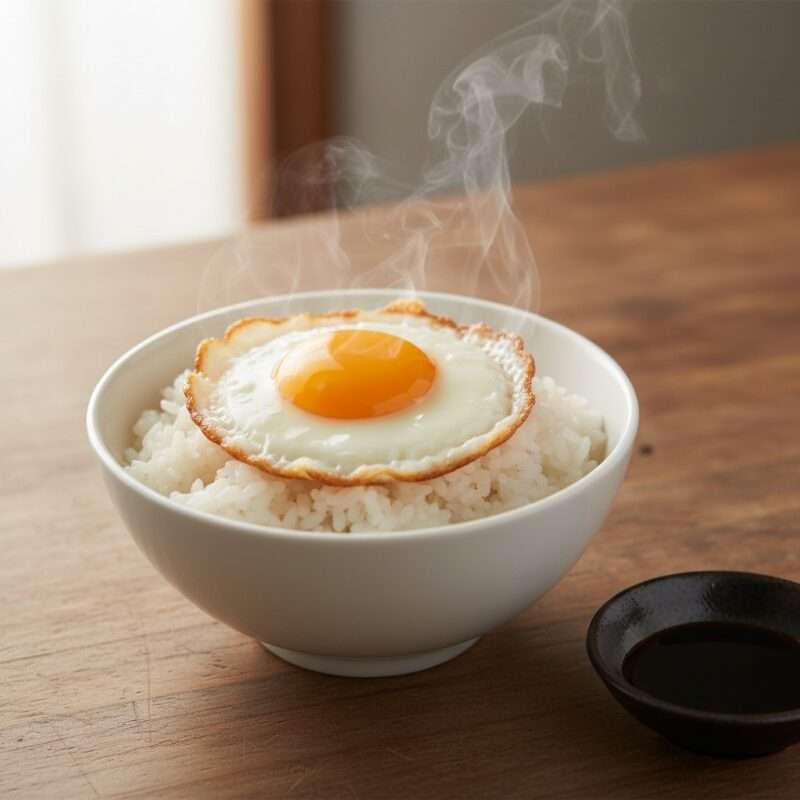
I made it myself in about ten minutes and it tasted genuinely good. Not impressive. Not Instagram-worthy. But warm, filling, and mine.
Something shifted after that. Not confidence exactly. More like proof. Proof that I could actually do this without a full kitchen or cooking experience or anyone helping me.
What I wish I knew: Your first real meal abroad doesn’t need to be good. It just needs to happen. Start embarrassingly simple. Build from there.
Day 7: What Actually Mattered
By the end of week one, I’d figured a few things out.

Not cooking. Just eating. Which is honestly the more important skill when you’re new somewhere.
Here’s what actually helped:
A short list before every shop. Stops the chaos buying. Saves money. Takes two minutes.
The microwave is your friend. Eggs, rice, oats. Learn three microwave meals and you’re set for months.
Simple food is enough. Toast and peanut butter kept me going for days. No shame in that.
Track the spending early. Food costs sneak up fast. Catching it in week one means you fix it in week one.
The first week is the hardest part. After that, you find your rhythm. Everybody does eventually.
One meal at a time. That’s really all it takes.