Your Dorm Room Lifeline: A Microwave Cooking Article That Actually Gets It
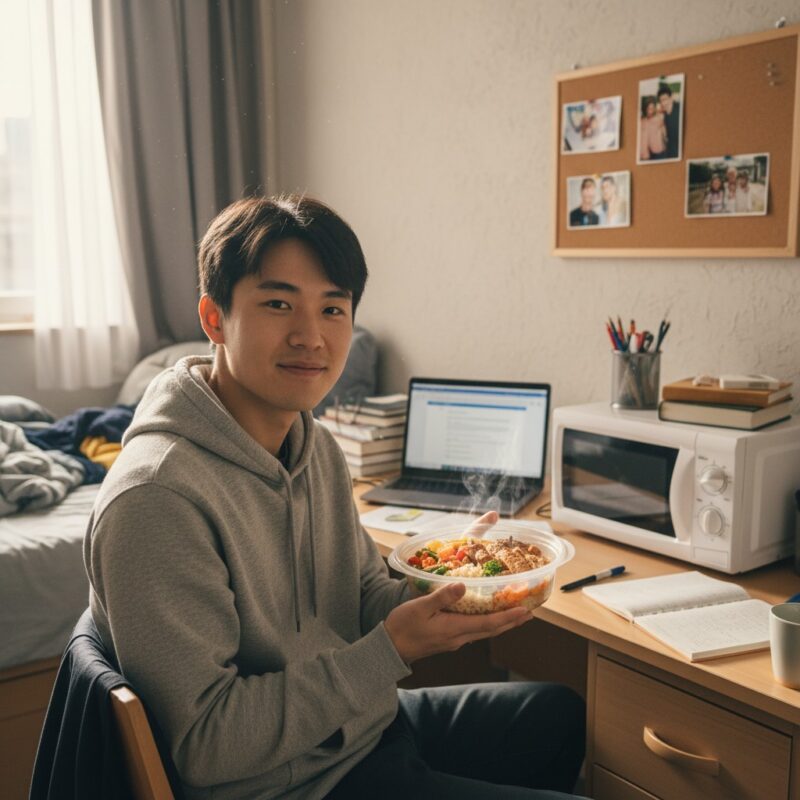
Look, I know you didn’t come here for a fancy cooking lesson. You’re tired, maybe homesick, and honestly? This article exists because I’ve been there—staring at a sad microwave at 11 PM, wondering how people survive on instant noodles alone.
Why Your Microwave Is Actually Your Best Friend Right Now
Living abroad or working far from home means you’re juggling a million things. Language barriers, cultural differences, missing your mom’s cooking so badly it hurts.
And here’s the thing—you don’t need a full kitchen to eat well. That little microwave in your room? It’s more powerful than you think. I’m not gonna promise you’ll recreate your grandmother’s recipes. But you can eat real food, save serious money, and feel a bit more human.
The Basics Nobody Tells You
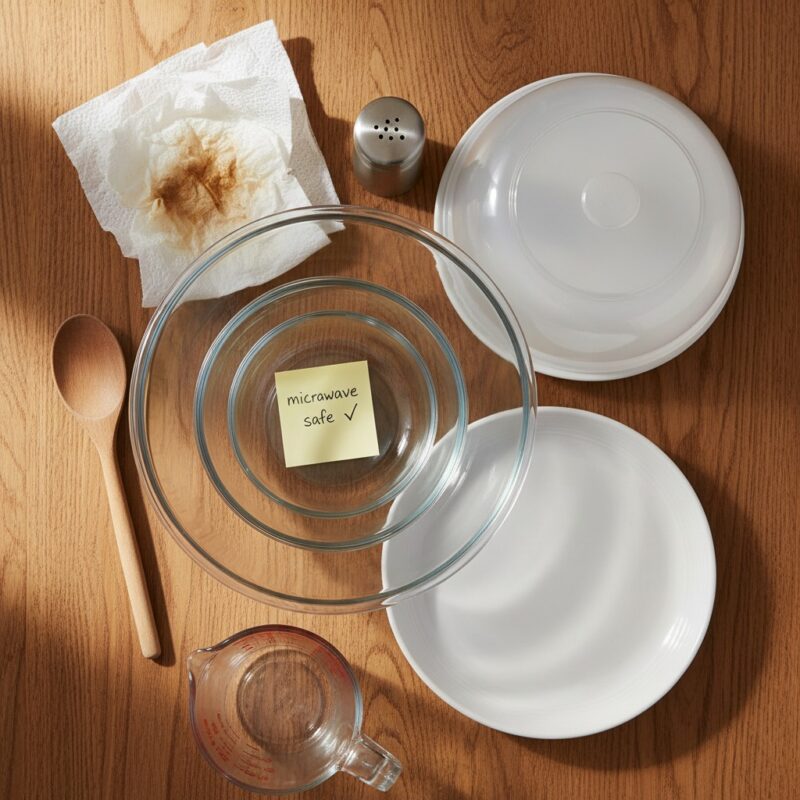
Start with the right containers. Glass is best. Those plastic takeout boxes? They’ll warp and leak weird chemicals. Spend $10 once on proper microwave-safe bowls. You’ll thank yourself later.
Power levels matter way more than time. Most people just hit the preset buttons and wonder why everything comes out rubbery or cold in the middle. Try 70% power for most things. It takes longer, sure, but the food actually cooks evenly.
The damp paper towel trick is magic. Seriously. It keeps rice from drying out, stops pasta from getting crusty, makes leftovers taste almost fresh. Just dampen it, wring it out, drape it over your food.
Real Meals You Can Actually Make
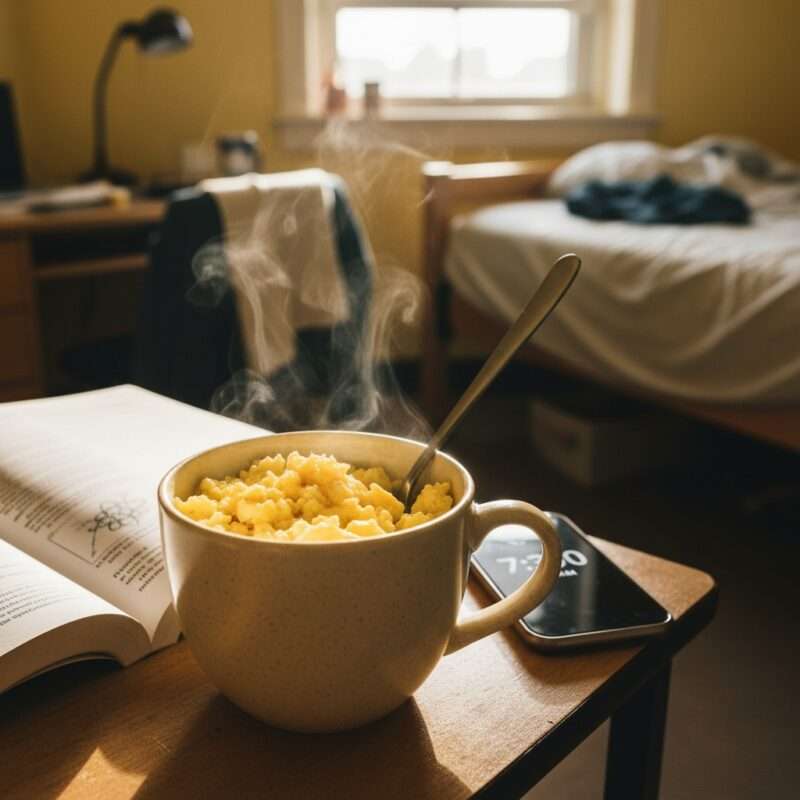
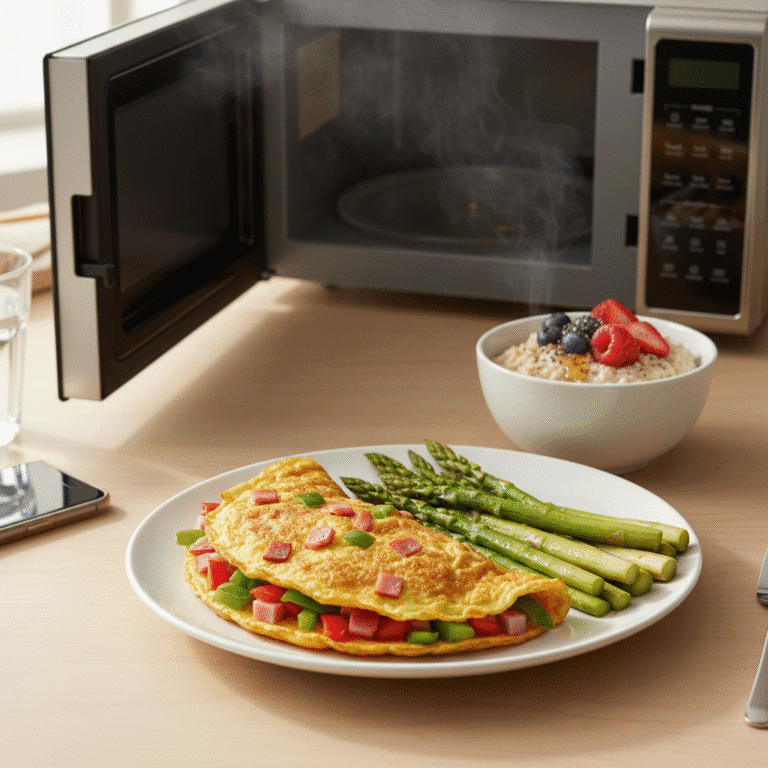
Scrambled eggs that don’t suck: Crack two eggs in a mug, add a splash of milk, whisk with a fork. Microwave 45 seconds, stir, then another 30-45 seconds. Add salt. Done. It’s breakfast when you’re running late for class or work.
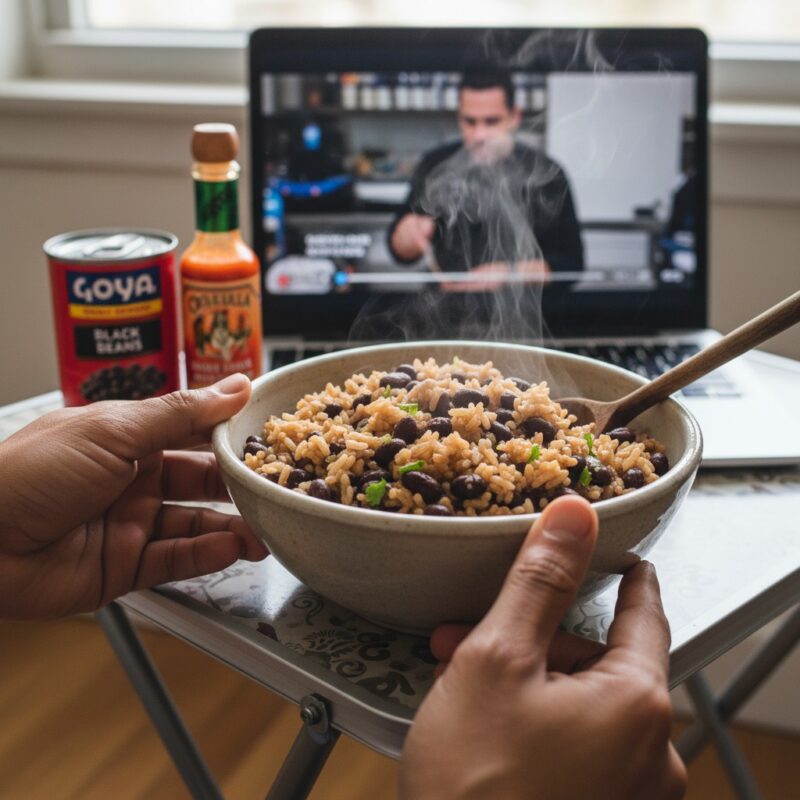
Rice and beans combo: This saved me countless nights. Cook minute rice (90 seconds), open a can of beans, mix them together. Add whatever sauce you’ve got—soy sauce, hot sauce, that random packet from last week’s takeout. Costs maybe $2, fills you up properly.
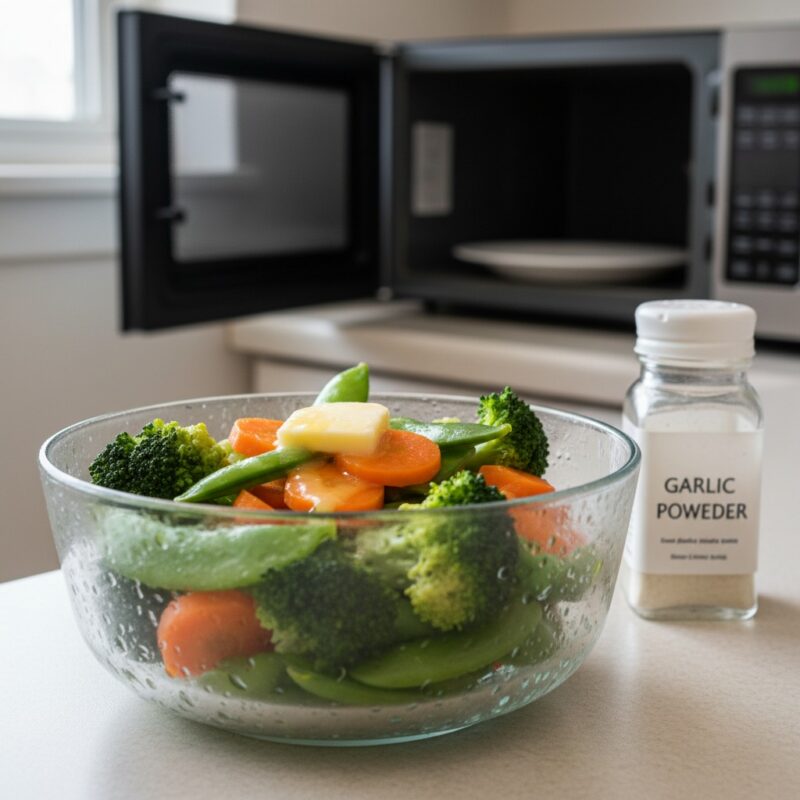
Steamed vegetables that actually taste good: Frozen veggies in a covered bowl with two tablespoons of water. 3-4 minutes. They come out tender, not mushy. Sometimes I’d just eat a whole bowl of broccoli with butter and garlic powder while watching something on my laptop. Simple comfort.
The “I miss home” soup: Get a microwave-safe bowl. Add instant noodles (but throw away half that sodium packet), crack an egg in there, add frozen vegetables, pour boiling water over everything. Cover and let it sit 3 minutes. It’s not authentic, but on a cold lonely night? It helps.
Mistakes I Made So You Don’t Have To
Don’t microwave eggs in their shells. I mean, obviously, right? But I’ve seen it happen in dorm kitchens. They explode. Everywhere.
Metal is still a no. Even the “just a little bit” of foil on that takeout container. Your microwave will light up like a disco and you’ll set off the fire alarm at 2 AM. Not fun when you’re already stressed about fitting in.
Standing time is real. That package says “let stand 2 minutes” for a reason. The food keeps cooking. If you eat it immediately, the middle’s still frozen. If you wait, it’s actually perfect.
Don’t cook bacon without covering it. Unless you want to spend 20 minutes cleaning grease splatter off every surface. Learn from my mistakes.
Money Talk (Because It Matters)
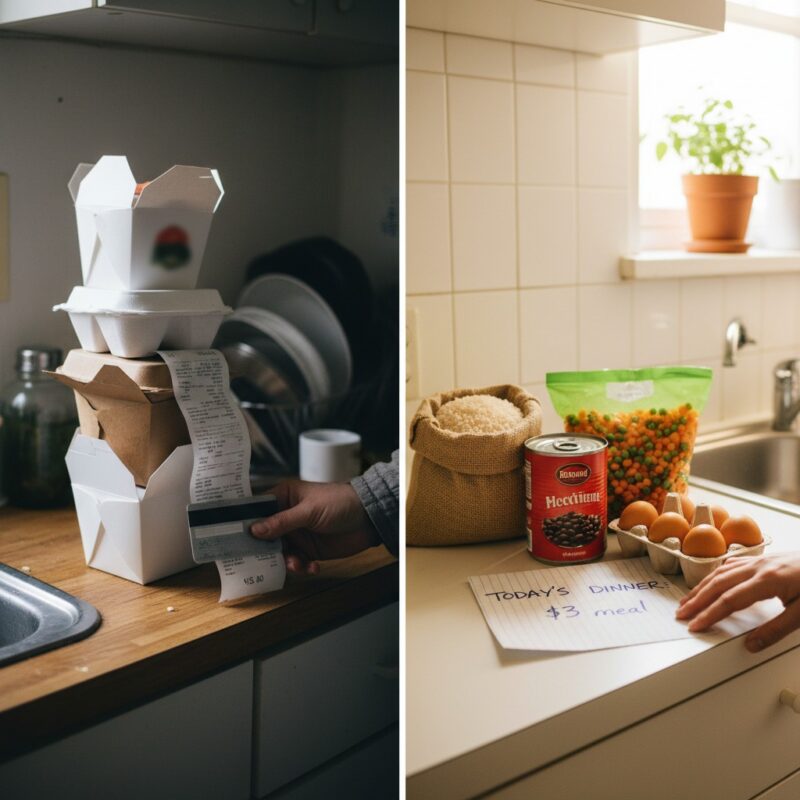
Cost Breakdown: Homemade vs. Takeout
| Meal Type | Takeout Cost | Microwave Cost | Monthly Savings (20 meals) |
|---|---|---|---|
| Breakfast | $8-12 | $1.50-2 | $130-200 |
| Lunch | $10-15 | $2-3 | $160-240 |
| Dinner | $12-18 | $3-5 | $180-260 |
| Total Monthly | $600-900 | $130-200 | $470-700 |
That’s not just numbers on a screen. That’s plane tickets home. That’s sending money to family. That’s having savings so you’re not constantly stressed.
Quick FAQ
Q: Can I reheat rice safely?
A: Yeah, but add a teaspoon of water first and cover it. Reheated rice can make you sick if it’s been sitting out, so refrigerate leftovers within an hour.
Q: How do I know if my container is microwave-safe?
A: Look for the little microwave symbol on the bottom. If there’s none, test it empty for 30 seconds. If the container gets hot but the water inside doesn’t, skip it.
Q: Why does my food heat unevenly?
A: Microwaves create hot spots. Stir halfway through. Put food in a ring shape, not piled in the middle. It helps.
Q: Can I cook frozen meat?
A: Technically yes, but it’s risky. Defrost it properly first (use defrost setting, flip it halfway), then cook it. Food poisoning when you’re alone in a foreign country is genuinely terrible.
Q: How do I clean dried food off the inside?
A: Microwave a bowl of water with lemon juice for 3 minutes. The steam loosens everything. Wipe with a cloth. So much easier than scrubbing.
Nutrition Quick Facts for Busy People
- Frozen vegetables are just as nutritious as fresh. Sometimes more, since they’re frozen right after harvest. And they’re cheaper. And they don’t rot in your mini-fridge.
- Eggs are ridiculously complete nutrition. Protein, vitamins, minerals. Two eggs = about 12g protein. They keep you full way longer than instant noodles.
- Canned beans aren’t just cheap—they’re powerhouses. Fiber, protein, iron. Rinse them first to cut sodium by like 40%.
- Brown rice is better than white, but honestly? White rice is fine if that’s what you can afford or what’s available. Eating something is better than skipping meals because you’re overwhelmed.
- Hydration counts as nutrition too. Keep water next to you. Being dehydrated makes everything harder focus, mood, energy. I kept a big bottle on my desk and just sipped all day.
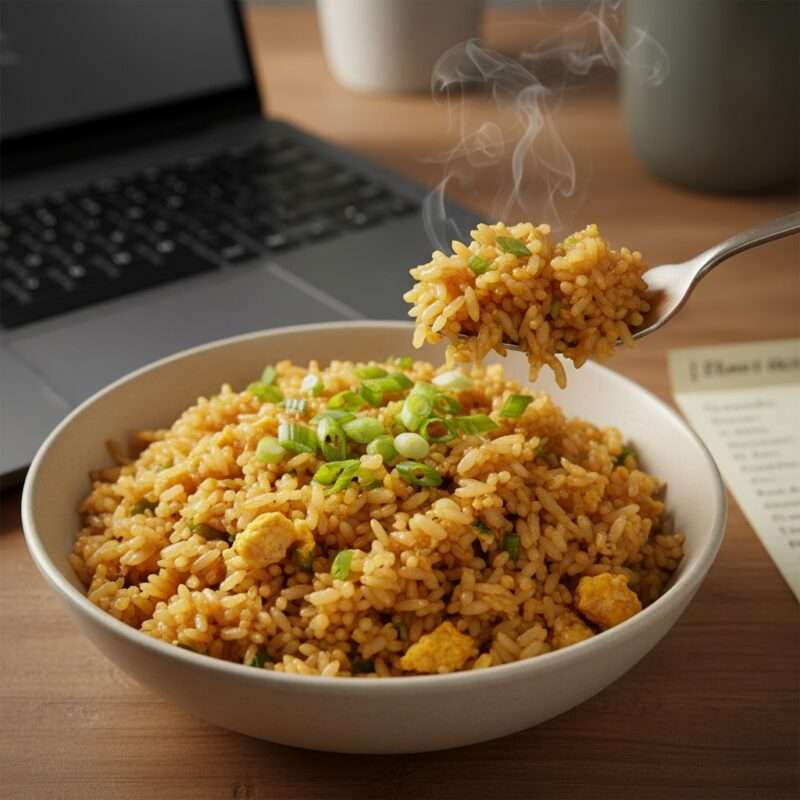
Recipe Card: Quick Egg Fried Rice
Prep Time: 5 minutes
Cook Time: 4 minutes
Total Time: 9 minutes
Servings: 1
Ingredients:
- 1 cup cooked rice (leftover or microwaved minute rice)
- 1 egg
- 2 tbsp frozen mixed vegetables
- 1 tsp soy sauce
- ½ tsp oil or butter
- Optional: green onion, garlic powder, sesame seeds
Instructions:
- Put frozen vegetables in microwave-safe bowl with 1 tbsp water. Microwave 1 minute.
- Add rice and oil to the bowl, mix it around.
- Make a well in the center, crack egg into it.
- Microwave 1 minute at full power.
- Break up the egg, stir everything together, add soy sauce.
- Microwave another 1-2 minutes, stirring halfway.
- Let stand 1 minute. Eat straight from the bowl—fewer dishes.
Nutrition (per serving):
- Calories: 320
- Protein: 12g
- Carbs: 48g
- Fat: 8g
- Fiber: 3g
- Sodium: 380mg
Notes:
Customization is key. This is your base. Got leftover chicken? Shred it in there. Have hot sauce? Add it. Found some frozen shrimp on sale? Throw that in. The beauty of this recipe is it’s forgiving and adaptable.
Rice matters: Day-old rice works best because it’s drier. Fresh rice can get mushy. If you’re using fresh rice, spread it on a plate to cool for 10 minutes first.
Egg texture: If you want scrambled-style egg throughout, beat it in a small bowl first, then pour over rice. If you like it chunkier (I do), just crack it directly and stir after the first minute.
Storage: Make a bigger batch. It keeps in the fridge for 3 days. Reheat with a damp paper towel over it.
Budget hack: Buy a big bag of frozen mixed vegetables. They’re like $2-3 and last weeks. Way cheaper than buying fresh vegetables that go bad before you use them.
Spice it up: Sometimes I’d add a tiny bit of curry powder or five-spice if I was feeling fancy. Or kimchi if I passed by the Asian market. Made it feel less repetitive.
Why this works: It’s fast, it’s filling, it uses ingredients that don’t spoil quickly. When you’re exhausted from work or studying, you need something easy that still feels like real food. This is that.
Here’s the Truth
You’re doing something incredibly hard. Living in a new place, maybe speaking a language that still feels foreign in your mouth, missing the people and food and rhythms of home.
Cooking in a microwave isn’t glamorous. It’s not what you see on cooking shows. But it’s practical. And on those nights when you’re tired and lonely and wondering why everything has to be so difficult—having a warm meal you made yourself helps. Just a little bit.
You don’t have to be perfect at this. Some nights you’ll still order takeout or eat cereal for dinner. That’s fine. This is just about giving yourself options. About taking care of yourself when you’re far from the people who usually do that for you.
What’s one microwave meal you’re gonna try this week? Start small. Maybe just the eggs tomorrow morning. See how it goes.